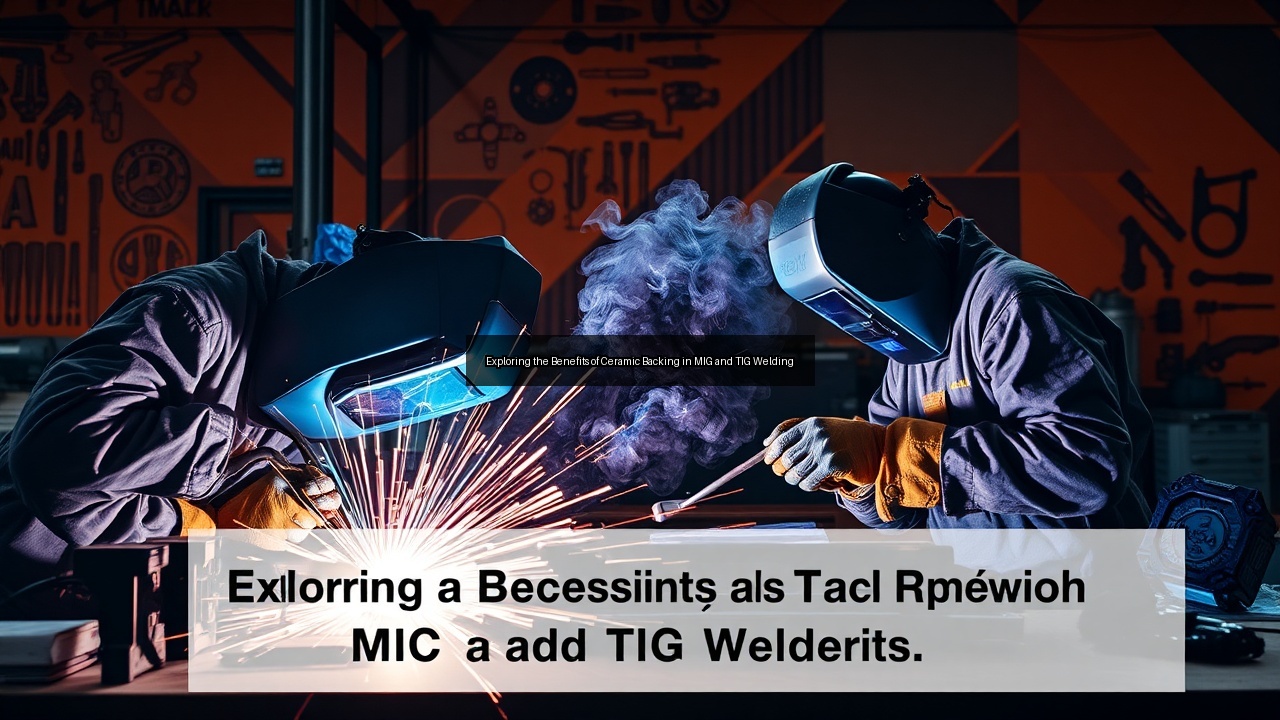
Exploring the Benefits of Ceramic Backing in MIG and TIG Welding
Understanding Ceramic Backing in Welding
What is Ceramic Backing?
Ceramic backing for welding consists of rigid strips or tapes made from high-temperature ceramics placed directly behind the joint. Welders position these materials to support the molten pool during root passes in MIG and TIG processes. The backing prevents excessive penetration while allowing full fusion across the weld. Ceramic backing materials come in various widths and thicknesses to match different plate geometries. Professionals often apply them with adhesive backing for quick setup on flat or curved surfaces. This approach eliminates the need for temporary metal strips that require removal after welding. Ceramic backing for welds maintains consistent support even when torch angles vary slightly during manual operations.
The Role of Ceramic Materials in Welding
Ceramic materials withstand extreme heat without melting or contaminating the weld pool. They create a stable barrier that shapes the root bead and promotes even cooling. In TIG welding, the non-conductive nature of ceramics prevents arc wander and improves arc stability. Welders rely on these properties to produce clean, high-strength joints in aluminium and stainless steel. Ceramics also resist spatter adhesion, which reduces post-weld cleaning time. Their thermal insulation qualities help control heat input and minimize distortion in thin sections. Many fabricators choose ceramic backing materials because they perform reliably across multiple passes without degrading.
Comparison of Ceramic Backing with Other Backing Materials
Traditional backing options like copper or steel bars conduct heat away too quickly and often leave marks on the finished weld. Flux tapes can introduce inclusions if not applied correctly. Ceramic backing outperforms these alternatives by providing consistent thermal resistance and easy removal. Unlike water-cooled copper fixtures, ceramic strips require no external connections and adapt to irregular geometries. Welders report fewer defects when switching from metal backing to ceramic backing for welding. The lightweight nature of ceramics also improves handling speed on large assemblies. Overall, ceramic backing materials deliver superior root quality with less preparation and cleanup than older methods.
Advantages of Using Ceramic Backing
Enhanced Weld Quality and Strength
Ceramic backing for welding produces fuller penetration and smoother root profiles without excessive reinforcement. The stable support prevents sagging of the molten metal, resulting in uniform bead geometry. Welders achieve higher tensile strength because the backing maintains proper fusion across the entire joint thickness. This consistency reduces the risk of lack-of-fusion defects common in open-root techniques. In MIG and TIG applications on aluminium, the improved bead shape enhances fatigue resistance. Fabricators document stronger welds that pass radiographic inspection more reliably when using ceramic backing materials. The result is structural integrity that meets demanding codes without additional grinding.
Improved Heat Resistance and Thermal Management
Ceramic backing materials tolerate temperatures above 1000°C while insulating the surrounding metal. This property allows welders to maintain controlled heat input during multiple passes. The backing absorbs and dissipates heat evenly, reducing the chance of burn-through on thin sections. In TIG welding, stable thermal conditions improve arc control and minimize tungsten contamination. Marine fabricators benefit from reduced distortion when joining thick plates with ceramic backing for welds. The material’s low thermal conductivity keeps the root area hotter longer, promoting better fusion without increasing overall energy use. Welders complete joints faster because they spend less time managing heat-related issues.
Reduced Welding Defects and Rework
By supporting the root pass, ceramic backing eliminates common defects such as porosity, undercut, and incomplete penetration. Welders observe fewer instances of spatter sticking to the reverse side of the joint. This reduction in defects cuts rework time significantly during production. Ceramic backing for welding also prevents oxidation on the backside of stainless and aluminium welds. Fabricators report higher first-pass acceptance rates in quality audits. The material’s clean release leaves minimal residue, further decreasing post-weld processing. Over time, these advantages lower overall labor costs and improve throughput in busy shops.
Applications of Ceramic Backing in MIG and TIG Welding
Ceramic Backing in MIG (GMAW) Processes
MIG welders use ceramic backing for welding to support high-deposition root passes on structural steel and aluminium. The backing allows faster travel speeds without compromising fusion. GMAW operators position ceramic strips along long seams where access from the reverse side is limited. The material accommodates the wider arc and higher heat typical of spray transfer modes. Fabricators in heavy equipment manufacturing rely on ceramic backing materials to maintain consistent root geometry across varying plate thicknesses. This application supports automated torch movement and improves repeatability in production environments.
Benefits for TIG Welding Applications
TIG welding demands precise control of the weld pool, and ceramic backing provides the necessary stability. Welders achieve narrow, high-quality root beads on pipes and pressure vessels. The non-metallic surface prevents current leakage and maintains arc focus. Ceramic backing for TIG welds works especially well with pulsed current settings that require steady support. Professionals in aerospace and power generation favor these materials for their ability to produce welds that meet strict visual and radiographic standards. The backing also simplifies out-of-position work by holding the pool in place.
Usage in Marine and Heavy Industries
Marine shipyards apply ceramic backing for welding during hull and deck fabrication where full penetration is critical. The material resists saltwater corrosion during outdoor assembly. Heavy equipment manufacturers use ceramic backing materials on frames and booms exposed to high loads. In both sectors, welders combine these backings with plasma cutting preparation for clean edges. The approach reduces fit-up time and supports large-scale projects. Gullco International supplies specialized systems that help marine fabricators position ceramic strips efficiently on curved surfaces.
Innovations and Developments in Ceramic Backing Technologies
Recent Advances by Gullco International and Voestalpine
Gullco International developed the Katback system that integrates ceramic backing with automated travel carriages for consistent placement. Voestalpine introduced advanced ceramic compositions with improved adhesion and thermal shock resistance. These innovations allow welders to handle thicker sections up to 102mm without multiple setups. The companies focus on materials that bond securely yet release cleanly after cooling. Fabricators benefit from longer strip lengths that reduce joints and potential weak points. Both suppliers continue refining products to meet evolving welding codes in demanding sectors.
The Role of Automation in Enhancing Ceramic Backing Applications
Automated welding systems now incorporate sensors that align ceramic backing precisely with the joint. This integration supports laser-guided torch movement and improves repeatability. Welders program machines to apply adhesive-backed ceramics at exact intervals along long seams. Automation reduces human error in positioning and allows continuous operation on large structures. Plasma cutting cells often feed directly into automated ceramic backing stations for seamless workflow. The combination increases productivity while maintaining high weld integrity across shifts.
Future Trends in Ceramic Welding Solutions
Future ceramic backing for welding will likely include smart materials that change properties under heat for adaptive support. Research explores hybrid ceramics compatible with both MIG and emerging hybrid laser-arc processes. Manufacturers aim to develop thinner, stronger strips that fit tighter geometries. Integration with real-time monitoring systems will alert welders to backing placement issues before defects form. These trends point toward greater efficiency and broader adoption in automated fabrication lines.
Choosing the Right Ceramic Backing for Your Welding Needs
Factors to Consider When Selecting Ceramic Backing
Welders evaluate joint geometry, material thickness, and welding process before choosing ceramic backing. Width and thickness must match the root opening and expected heat input. Adhesive strength matters for vertical or overhead applications. Compatibility with aluminium or carbon steel surfaces influences material selection. Professionals test small sections to confirm release characteristics and bead profile. Proper selection ensures the ceramic backing for welding delivers optimal results without additional adjustments.
Combining Ceramic Backing with Protective Gear and Helmets
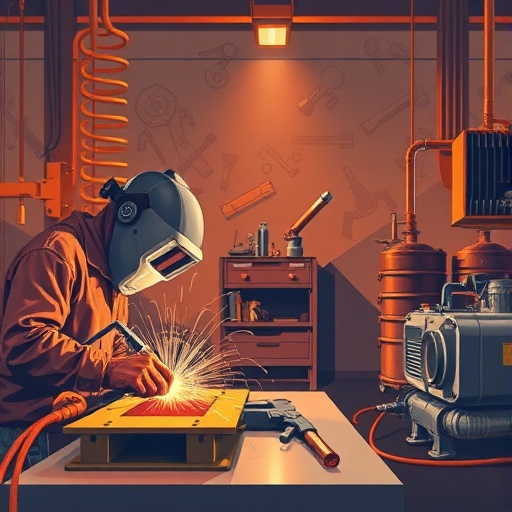
Welders pair ceramic backing operations with quality welding helmets that provide clear views of the root area. Proper protective gear shields against spatter and UV exposure during setup and welding. Ergonomic helmets reduce fatigue on long shifts involving extensive ceramic backing placement. Many shops standardize on auto-darkening lenses that handle both MIG and TIG arcs effectively. This combination supports safe, efficient work while maintaining high weld quality standards.
Case Studies: Successful Uses of Ceramic Backing in Welding
A shipyard reduced root defects by 40 percent after switching to Gullco-supplied ceramic backing on aluminium hull panels. A pressure vessel fabricator eliminated rework on 102mm thick welds by adopting Voestalpine ceramic materials with automated placement. Another facility combined ceramic backing with plasma-cut edges to shorten production cycles on heavy machinery frames. These examples demonstrate measurable gains in quality and efficiency across diverse applications. Welders continue to refine techniques that maximize the benefits of ceramic backing for welding in modern shops.
See Also
- Innovative Uses of Ceramic Backing in Marine Welding Technologies
- Why Ceramic Backing is Essential for High-Quality Welds
- Ceramic Welding Backing How It Enhances Efficiency and Safety
- Unlocking the Power of Ceramic Backing in Welding Applications
- Choosing the Right Ceramic Backing for Your Welding Projects