Exploring the Advantages of Pressure Gauges in Chemical Applications
Understanding Pressure Gauges in Chemical Storage
The Role of Pressure Gauges in Chemical Applications
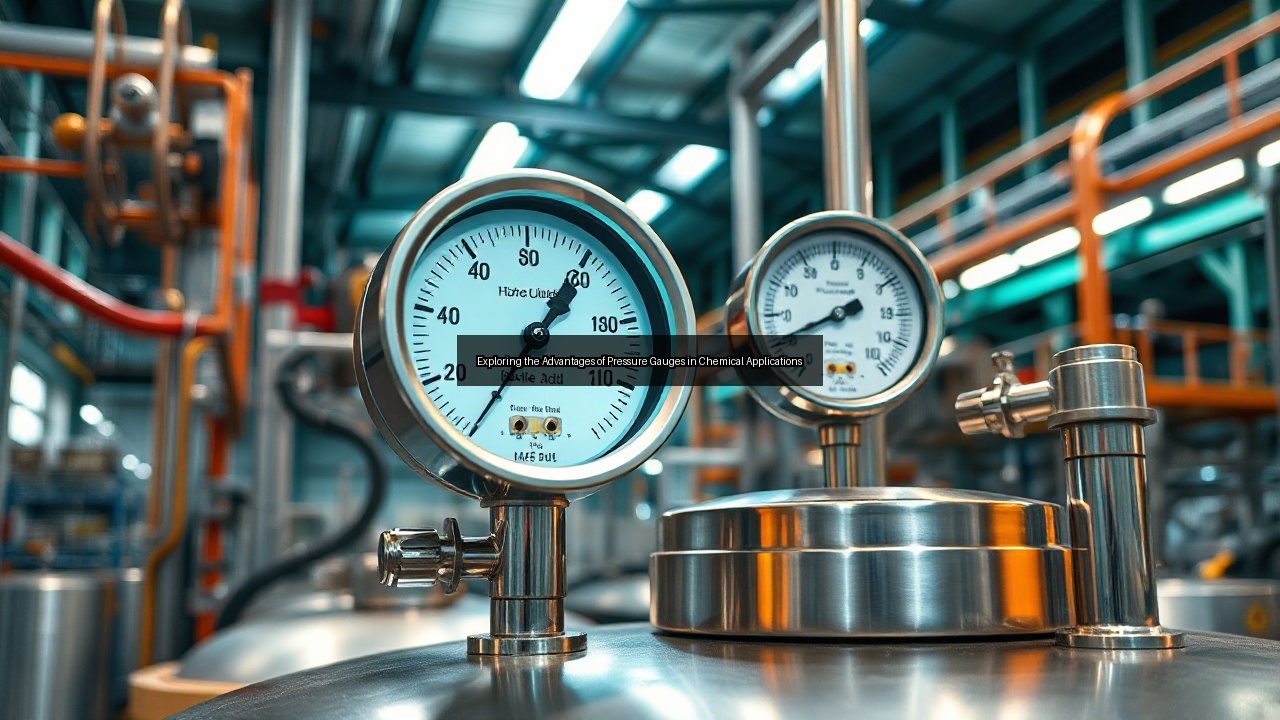
Pressure gauges play a pivotal role in the safe and efficient management of chemical storage tanks, particularly for highly corrosive substances like hydrochloric acid (HCl) and sodium hydroxide (NaOH). These instruments provide real-time data on the internal pressure of storage systems, allowing operators to monitor conditions closely. Accurate pressure readings are crucial for preventing leaks and ensuring structural integrity, making pressure gauges indispensable in chemical applications. By facilitating timely adjustments and interventions, these gauges help maintain optimal operating conditions, ultimately safeguarding both personnel and the environment.
Importance of Reliable Measuring Instruments
Reliability in measuring instruments is non-negotiable in chemical storage operations. Accurate readings from level gauges and pressure gauges protect against overpressure situations and tank failures. The consequences of inaccurate measurements can be severe, leading to spills, environmental damage, and safety hazards. Reliable instruments also contribute to regulatory compliance, ensuring that facilities meet industry standards and environmental regulations. Investing in high-quality pressure gauges and level sensors enhances operational efficiency, reduces downtime, and promotes a culture of safety within chemical processing environments.
Types of Level Gauges Used in Chemical Tanks
Different types of level gauges serve various needs in chemical tanks. Common options include mechanical float gauges, magnetic level gauges, and electronic level sensors. Mechanical float gauges utilize buoyancy principles to measure liquid levels, while magnetic level gauges employ magnetic floats and sensors for accuracy. Electronic level sensors, often equipped with advanced technologies, provide precise measurements and real-time data transmission. Each type has its advantages and disadvantages, making it essential for operators to choose the right gauge based on the specific chemical properties and storage conditions of their hydrochloric acid or sodium hydroxide tanks.
Advantages of Pressure Gauges for Hydrochloric Acid Storage
Corrosion-Resistance: Ensuring Longevity in Harsh Environments
Hydrochloric acid, known for its highly corrosive nature, presents unique challenges in storage applications. Pressure gauges designed specifically for HCl storage must exhibit exceptional corrosion resistance to ensure longevity and reliability. Manufacturers often utilize materials like stainless steel or specially coated alloys that withstand harsh chemical exposure. These corrosion-resistant gauges not only endure the aggressive environment but also maintain their accuracy over time, providing peace of mind for operators. By investing in durable pressure gauges, facilities can minimize maintenance costs and reduce the likelihood of unexpected failures, which could lead to hazardous spills and costly downtime.
Monitoring Levels of HCl and NaOH Effectively
Effective monitoring of hydrochloric acid and sodium hydroxide levels is critical for maintaining safe operating conditions. Advanced pressure gauges and level sensors provide continuous updates on the status of these chemicals within storage tanks. This real-time data allows operators to make informed decisions regarding chemical usage, replenishment, and safety protocols. Moreover, integrating these gauges into automated systems can streamline operations, reducing the need for manual monitoring while enhancing accuracy. Facilities equipped with reliable level measurement solutions can ensure that they maintain appropriate chemical levels, preventing overflows and ensuring compliance with safety regulations.
Stainless Steel Construction for Enhanced Durability
Stainless steel construction is a preferred choice for pressure gauges used in hydrochloric acid storage due to its inherent properties. Stainless steel offers exceptional strength, corrosion resistance, and durability, making it ideal for applications involving aggressive chemicals. Unlike traditional materials that may degrade over time, stainless steel maintains structural integrity even in demanding environments. This durability translates to longer service life and reduced maintenance needs, allowing operators to focus on other critical aspects of chemical management. Investing in stainless steel pressure gauges ensures that facilities achieve reliable performance while minimizing the risk of equipment failure.
Key Features of Chemical Level Gauges
pH Measurement and Its Importance in Chemical Storage
pH measurement serves as a vital indicator of chemical stability and safety in storage tanks. For substances like hydrochloric acid and sodium hydroxide, maintaining the correct pH levels is crucial to prevent reactions that could lead to hazardous situations. Advanced chemical level gauges often include pH sensors that provide real-time readings, enabling operators to monitor fluctuations and take corrective actions promptly. Accurate pH monitoring not only protects equipment but also safeguards personnel from exposure to harmful conditions. By prioritizing pH measurement in chemical storage, facilities can enhance overall safety and operational efficiency.
Innovations in Level Sensors for Enhanced Accuracy
Recent innovations in level sensor technology have significantly improved the accuracy and reliability of chemical level measurement. Modern sensors now leverage advanced technologies such as radar, ultrasonic, and capacitive sensing to provide precise readings even in challenging conditions. These innovations reduce the risk of measurement errors caused by factors like temperature fluctuations or vapor presence, which can affect traditional measurement methods. Moreover, many of these sensors offer digital interfaces, facilitating easy integration into existing monitoring systems. The integration of cutting-edge technology in chemical level gauges enhances operational efficiency and safety, enabling facilities to maintain optimal storage conditions.
Integration of Advanced Technologies like Vega
Vega, a leader in sensor technology, has developed cutting-edge solutions for chemical level measurement, particularly in the context of corrosive substances such as hydrochloric acid. Vega's innovative level sensors provide unparalleled accuracy and reliability, utilizing advanced techniques like guided wave radar and capacitive measurement. These technologies address common challenges faced by traditional level gauges, including the impact of vapor and foam on measurement accuracy. chemical tank level gauge By integrating Vega's advanced level measurement solutions, facilities can achieve superior monitoring capabilities, ensuring the safe and efficient storage of hydrochloric acid and other hazardous chemicals.
Best Practices for Implementing Tank Level Measurement Solutions
Selecting the Right Gauge for Hydrochloric Acid
Choosing the appropriate tank gauge for hydrochloric acid storage involves careful consideration of several factors. Facilities must assess the specific chemical properties, such as temperature, pressure, and corrosiveness, to select a gauge that can withstand these conditions. Pressure gauges should exhibit corrosion resistance, while level sensors need to provide accurate measurements despite the aggressive nature of HCl. Additionally, compatibility with existing monitoring systems and ease of installation play crucial roles in the decision-making process. Operators who prioritize these factors can ensure the selection of the right gauge, leading to improved safety and operational efficiency.
Maintenance and Calibration of Level Gauges
Regular maintenance and calibration of level gauges acid level measurement are essential to ensure their accuracy and reliability. Operators should establish a routine inspection schedule to identify any signs of wear or damage, particularly in environments where gauges are exposed to corrosive chemicals. Calibration should occur periodically, verifying that the gauges provide accurate readings under various conditions. Facilities can take proactive measures, such as cleaning and replacing worn components, to extend the lifespan of their level sensors and pressure gauges. A commitment to maintenance and calibration enhances overall system reliability and promotes safe chemical storage practices.
Safety Considerations in Chemical Storage Tank Operations
Safety considerations in chemical storage tank operations cannot be overstated. Facilities must implement comprehensive safety protocols to mitigate risks associated with handling corrosive substances like hydrochloric acid and sodium hydroxide. Regular training for personnel on proper handling techniques and emergency response procedures is essential. Additionally, integrating advanced monitoring solutions, such as pressure gauges and level sensors, enhances situational awareness and provides real-time data for decision-making. Facilities should also ensure compliance with regulatory standards, conducting routine audits to identify potential hazards. By prioritizing safety, organizations can protect their workforce, the environment, and their assets while effectively managing chemical storage operations.