Unlocking the Secrets of Efficient Plastic Mold Manufacturing
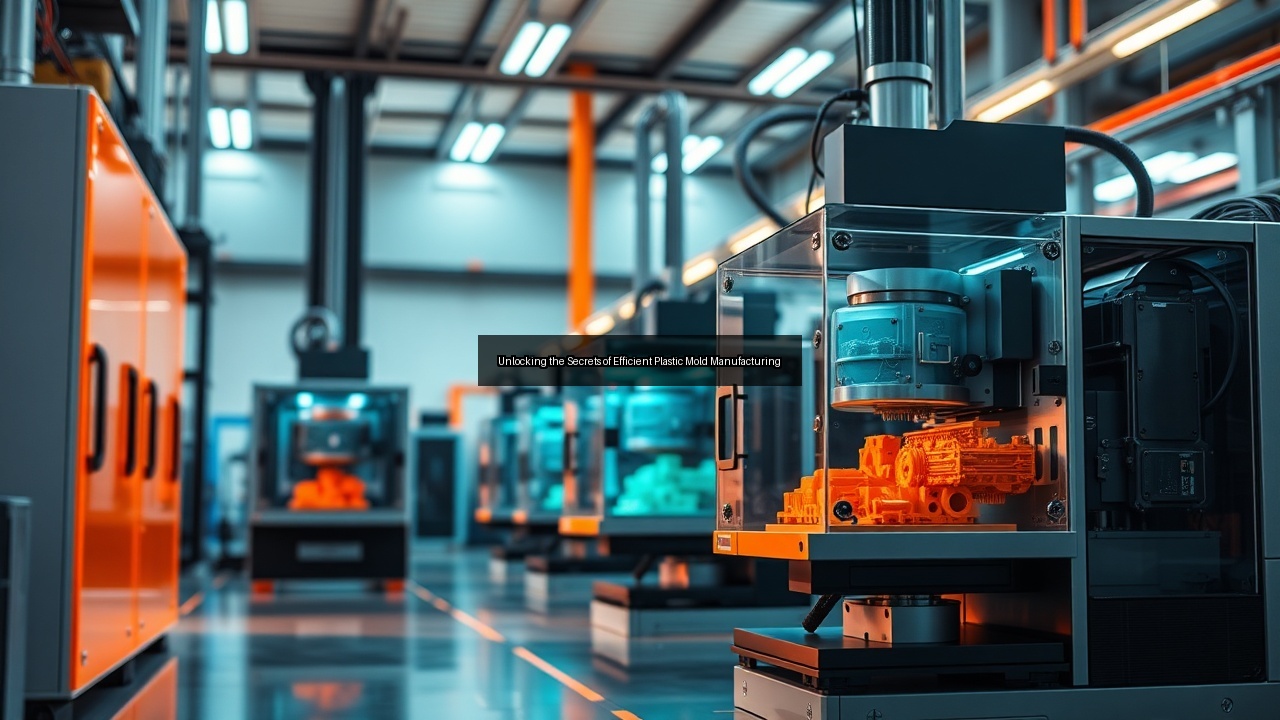
Understanding Plastic Mold Manufacturing
Overview of Plastic Mold Manufacturing
Plastic mold manufacturing encompasses a variety of techniques used to create plastic parts through the shaping and forming of materials. This process can involve either injection molding or thermoforming, each offering unique advantages and applications. By utilizing molds, manufacturers can produce consistent and complex shapes in large volumes, making this method essential in sectors ranging from automotive to consumer goods. The efficiency of plastic mold manufacturing directly affects production costs and time, making it a critical aspect of product development and market competitiveness. Understanding the intricacies of this process helps businesses streamline operations and improve product quality.
Importance of Efficient Manufacturing Processes
Efficient manufacturing processes in plastic mold production can significantly reduce waste, lower costs, and enhance product quality. Streamlined workflows, advanced machinery, and optimized techniques lead to faster turnaround times and higher output. For manufacturers, adopting efficiency not only improves profit margins but also fosters sustainability by minimizing material usage and energy consumption. In a competitive market, efficiency translates to better customer satisfaction, as products reach the market faster and with fewer defects. Emphasizing efficient manufacturing processes is crucial for any plastic mold manufacturer aiming to thrive in today's dynamic landscape.
Types of Plastic Molds Used
Various types of plastic molds cater to different manufacturing needs. The most common types include injection molds, blow molds, and compression molds. Injection molds are popular for their ability to create detailed and complex shapes, making them suitable for high-volume production. Blow molds are utilized for hollow products like bottles, while compression molds are ideal for larger items requiring less precision. Each mold type serves distinct purposes and is selected based on the specific requirements of the plastic fabrication project. Understanding these mold types aids businesses in selecting the best method for their production goals.
The Injection Molding Process Explained
Steps in the Injection Molding Process
The injection molding process consists of several key steps that transform raw thermoplastics into finished products. First, plastic granules are fed into a heated barrel where they melt and liquefy. This molten plastic is then injected into a mold cavity under high pressure, ensuring that it fills every part of the mold. Once cooled, the molded part solidifies and is ejected from the mold. The process allows for rapid production cycles, making it ideal for mass manufacturing. Each step plays a vital role in ensuring product quality, dimensional accuracy, and surface finish. Mastery of the injection molding process can significantly enhance a plastic mold manufacturer's capabilities.
Materials Used in Injection Molding
Injection molding relies on various materials, predominantly thermoplastics, which can be reheated and reshaped multiple times without significant degradation. Common materials include polyethylene, polypropylene, and polystyrene, each offering unique properties suited for specific applications. Additionally, manufacturers may use engineering plastics, such as ABS and nylon, for applications requiring enhanced strength and durability. Understanding the characteristics of these materials allows manufacturers to choose the most appropriate option for their projects, ensuring optimal performance and longevity of the final products.
Benefits of Injection Molded Plastics
Injection molded plastics offer numerous benefits that make them a preferred choice in manufacturing. These benefits include high precision, repeatability, and the ability to produce complex geometries with intricate details. The process minimizes waste, as excess material can be recycled and reused, contributing to sustainability efforts. Additionally, injection molded products often exhibit superior mechanical properties, making them suitable for demanding applications. The speed of production and the ability to create large quantities quickly can significantly reduce overall costs, making injection molding a highly efficient and economical choice for plastic fabrication.
Advancements in Thermoforming Techniques
What is Thermoforming?
Thermoforming is a manufacturing process that involves heating a plastic sheet until it becomes pliable and then forming it over a mold. Once the sheet conforms to the mold's shape, it cools and solidifies, creating the final product. This technique is particularly effective for producing large parts and packaging materials, such as trays and containers. Thermoforming allows for rapid production and can accommodate various plastics, including ABS, PVC, and PET. Its versatility makes it an attractive option for many industries, from food packaging to automotive components.
Comparison of Thermoforming and Injection Molding
Both thermoforming and injection molding serve important roles in plastic fabrication, but they differ in terms of process, cost, and application. Injection molding excels in producing high-precision parts with complex geometries, making it ideal for small, intricate components. Conversely, thermoforming is better suited for larger, simpler shapes and typically has lower tooling costs. However, injection molding often yields faster production rates for high-volume runs. Evaluating the specific requirements of a project is essential when deciding between these two techniques, as each has its strengths and ideal use cases.
Applications of Thermoformed Plastics
Thermoformed plastics find applications across various industries. In packaging, they create protective trays, clamshells, and blisters that safeguard products during transport and display. In the automotive sector, thermoformed components contribute to dashboards, interior panels, and even exterior body parts. The medical field utilizes thermoformed plastics for trays and packaging that ensure sterility and safety. The versatility of thermoforming enables manufacturers to produce items that meet diverse consumer needs while maintaining efficiency and cost-effectiveness.
Choosing the Right Plastic Mold Manufacturer
Key Factors to Consider When Selecting a Manufacturer
Selecting the right plastic mold manufacturer requires careful consideration of several factors. Begin by evaluating the manufacturer's experience and expertise in your specific industry. Look for a track record of successful projects and satisfied clients. Assess their capabilities, including the range of materials they work with and the types of molds they produce. Communication is also crucial; a responsive and collaborative manufacturer can significantly impact project outcomes. Additionally, consider their commitment to quality assurance and the technologies they employ in their manufacturing processes to ensure optimal results.
Top Manufacturers in the Plastic Molding Industry
Several manufacturers stand out in the plastic molding industry, known for their quality, innovation, and reliability. Companies like Protolabs, Westfall Technik, and Xometry have established themselves as leaders, offering a range of services from rapid prototyping to high-volume production. These manufacturers leverage advanced technologies, such as automation and precision machining, to deliver superior products. Choosing a reputable manufacturer not only ensures high-quality outcomes but also fosters a long-term partnership that can support ongoing projects and future innovations.
Future Trends in Plastic Mold Manufacturing
The future of plastic mold manufacturing will likely witness a shift towards sustainability and automation. As environmental concerns grow, manufacturers will increasingly adopt eco-friendly materials and processes. Innovations in 3D printing and additive manufacturing could revolutionize mold production, allowing for more complex designs and reduced material waste. Additionally, smart manufacturing technologies, including IoT and AI, will enhance efficiency and monitoring capabilities. Staying ahead of these trends positions plastic mold manufacturers for success in an evolving market, ensuring they meet the demands of both consumers and regulatory standards.
See Also
- Plastic Molding Myths Debunked What You Need to Know
- From Concept to Creation the Journey of Plastic Molding
- The Environmental Impact of Plastic Molding and How Manufacturers Can Improve
- The Advantages of Using Advanced Materials in Plastic Manufacturing
- Unpacking the Injection Molding Process for Reliable Plastic Fabrication