Choosing the Right Grease Cartridge for Your Industrial Needs
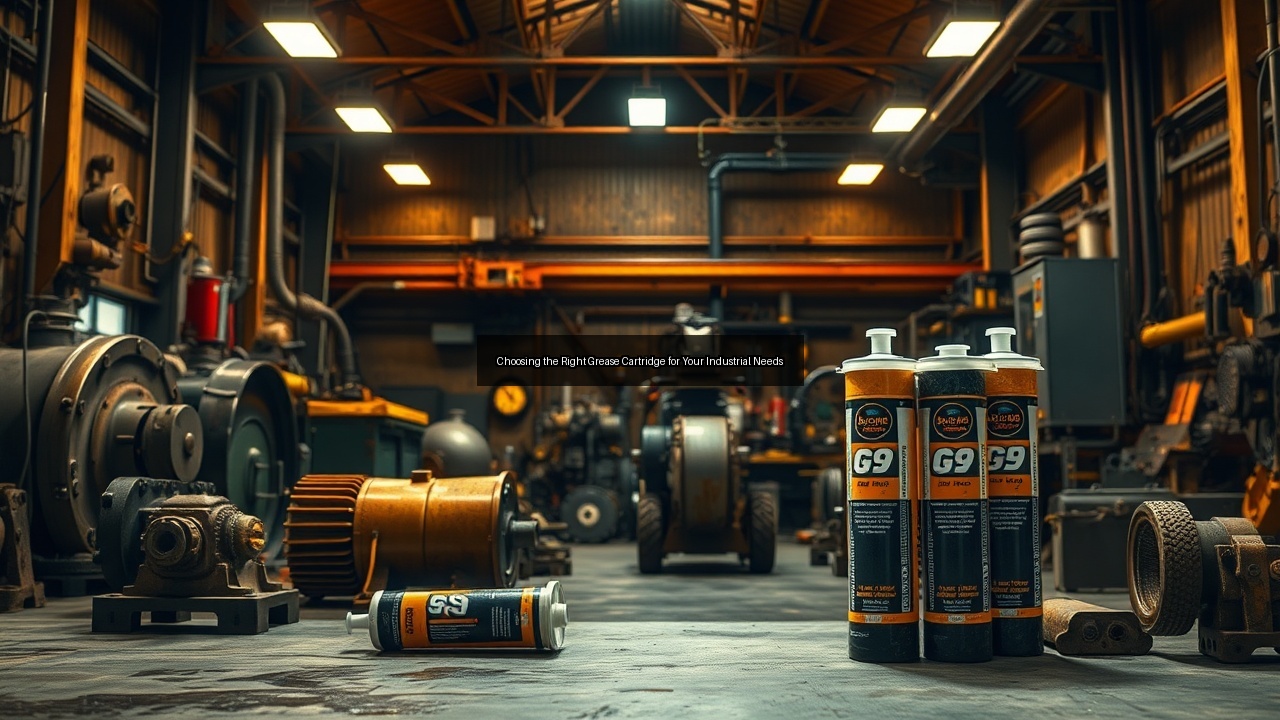
Understanding Heavy-Duty Industrial Greases
Characteristics of Heavy-Duty Greases
Heavy-duty industrial greases possess unique characteristics that set them apart from standard lubricants. These greases typically feature a high base oil viscosity, enabling them to withstand extreme temperatures and pressures commonly found in industrial settings. Additionally, heavy-duty greases often incorporate additives that enhance their performance, offering superior protection against wear, friction, and corrosion. The consistency of these lubricants can range from semi-fluid to very thick, ensuring they remain stable in various applications. This stability is crucial for machinery operating in harsh environments, where exposure to contaminants, moisture, and extreme conditions can lead to equipment failure.
Importance of Choosing the Right Grease
Selecting the right grease lubricant is vital for maintaining the efficiency and longevity of industrial machinery. The wrong choice can lead to equipment breakdowns, increased maintenance costs, and reduced productivity. Each type of grease serves a specific purpose, and understanding these distinctions helps in making informed decisions. For example, using a high-temperature grease in an environment with fluctuating temperatures may result in ineffective lubrication, while employing a low-viscosity lubricant in high-pressure applications can cause severe wear and tear. Therefore, evaluating the operational parameters of your machinery, such as temperature, pressure, and load, becomes essential in choosing the right grease.
Common Applications in Industry
Heavy-duty greases find applications across various industries, including agriculture, mining, construction, and food and beverage. In agriculture, greases are commonly used in tools and machinery like tractors and harvesters, where they protect against wear and ensure smooth operation. In the mining sector, heavy equipment relies on robust lubricants to withstand harsh conditions, including dust and moisture. Construction machinery, such as excavators and bulldozers, also benefits from heavy-duty greases, enabling them to operate efficiently under extreme loads. In the food and beverage industry, specialized food-grade greases ensure safety and compliance with health regulations while providing effective lubrication for ovens, mixers, and conveyor systems.
Types of Grease Cartridges
Calcium vs. Lithium Greases
Calcium and lithium greases represent two of the most commonly used types of heavy-duty lubricants. Calcium greases are water-resistant and provide good adhesion, making them suitable for applications exposed to moisture, such as in the agricultural sector. They offer excellent performance in moderate temperature ranges. On the other hand, lithium greases are more versatile, providing better high-temperature stability and load-bearing capacity. They are widely preferred for heavy equipment used in mining and construction, where machinery operates under extreme conditions. Both types have their strengths; thus, selecting between calcium and lithium greases depends on specific operational requirements, including temperature, pressure, and exposure to water.
Silicone and Its Unique Properties
Silicone greases stand out due to their unique properties that offer advantages in specialized applications. These lubricants maintain stability across a broader temperature range, making them ideal for extreme conditions. Silicone greases excel in providing excellent lubrication for rubber and plastic components, reducing friction and wear effectively. Their resistance to oxidation and thermal breakdown ensures prolonged service life, which is critical in applications involving electrical insulation and automotive components. However, silicone greases may not provide the same load-carrying capabilities as calcium or lithium greases, making them less suitable for heavy-duty machinery. Understanding these characteristics is essential for determining their application in specific industrial settings.
Grease Types for Specific Industries: Agriculture, Mining, and Construction
Different industries have unique lubrication requirements, leading to the formulation of specialized grease products tailored to their needs. In agriculture, greases designed for high resistance to water and dust protect equipment like tractors and harvesters, ensuring longevity and efficiency. Mining operations often require heavy-duty greases that can withstand abrasive conditions, high pressures, and extreme temperatures, making lithium-based options popular. In construction, grease lubricants must handle heavy loads and resist contamination from dirt and debris. Selecting the right grease type for each industry not only enhances machinery performance but also minimizes downtime due to maintenance and repairs.
Selecting the Right Grease for Your Machinery
Assessing Temperature and Pressure Requirements
When selecting a grease cartridge for machinery, evaluating the temperature and pressure requirements is crucial. Different greases offer varying performance characteristics under specific conditions. For instance, high-temperature environments necessitate greases that can retain their viscosity and lubricating properties without breaking down. Conversely, machinery operating under high pressure requires greases with superior load-carrying capabilities to prevent wear. Manufacturers often provide specifications for their lubricating greases, indicating the ideal temperature and pressure ranges. Matching these specifications with your machinery's operational parameters ensures optimal performance and longevity of equipment.
Understanding Friction and Corrosion Resistance
Friction and corrosion resistance play significant roles in the effectiveness of heavy-duty industrial greases. Greases that minimize friction reduce wear on moving parts, improving efficiency and extending service life. Additionally, incorporating anti-corrosion additives protects machinery from rust and degradation, particularly in harsh environments. Understanding the specific friction and corrosion challenges your equipment faces allows for a more informed selection of lubricants. For instance, machinery exposed to moisture or corrosive substances requires greases with enhanced protective properties to maintain operational integrity.
Grease Compatibility with Equipment and Lubricants
Compatibility between different grease lubricants and existing machinery is another critical factor in selecting the right grease cartridge. Using incompatible greases can lead to chemical reactions that compromise lubrication effectiveness, potentially causing equipment failures. Always verify that the selected grease is compatible with both the equipment and any previously used lubricants. If transitioning from one grease type to another, consider purging the system to avoid mixing. Consulting manufacturer recommendations and compatibility charts can help ensure the chosen grease meets all necessary requirements for optimal performance.
Top Brands and Technologies in Industrial Greases
Innovative Grease Products in the Market
The market for heavy-duty industrial greases features numerous innovative products designed to enhance performance and reliability. Leading manufacturers are continually developing advanced formulations that improve resistance to extreme temperatures, pressure, and contamination. For example, some brands have introduced synthetic greases that offer superior performance compared to traditional petroleum-based options. These synthetic lubricants provide enhanced stability and lower volatility, making them suitable for high-performance applications. Additionally, eco-friendly greases are emerging, using biodegradable ingredients to minimize environmental impact without sacrificing performance.
Comparing Brand Performance in Heavy Equipment
When evaluating grease products for heavy equipment, brand performance plays an essential role. Not all grease lubricants perform equally, and comparing brands can reveal significant differences in quality and effectiveness. Leading brands often conduct extensive testing to ensure their products meet industry standards and deliver superior performance in demanding conditions. Reading customer reviews, product specifications, and third-party testing results can provide valuable insights into brand reliability. Additionally, considering factors like availability, cost, and manufacturer support can aid in making a well-informed choice for your industrial lubrication needs.
Future Trends in Lubricating Grease Technologies
The future of lubricating grease technologies looks promising, with advancements shaping the industry. Innovations in synthetic formulations and nanotechnology are enhancing performance characteristics, leading to greases that offer improved protection and reduced friction. Moreover, the increasing focus on sustainability is driving the development of eco-friendly lubricants that meet stringent environmental regulations. The integration of smart technologies is also emerging, with grease products designed to provide real-time monitoring of lubrication conditions. These trends indicate a shift toward more efficient, effective, and environmentally responsible lubricating solutions in industrial applications.
See Also
- The Importance of Temperature Resistance in Heavy-Duty Greases
- The Ultimate Guide to Choosing the Right Grease for Heavy Equipment
- The Role of Silicone Greases in High-Temperature Applications
- Greasing Strategies for Optimal Performance in Construction Machinery
- How Heavy-Duty Greases Enhance Performance in Mining Operations